
Top Gardening Tips for Home Gardeners
Gardening can be a rewarding and therapeutic hobby, offering not only a chance to beautify your surroundings but also the opportunity to grow your own food. Whether you're a seasoned gardener or just starting out, there are always new tips and tricks to learn. In this post, we will explore essential gardening tips that can help you cultivate a thriving home garden.

Understanding Your Garden Space
Assessing Sunlight
Before planting anything, it’s crucial to understand how much sunlight your garden receives. Different plants have varying sunlight requirements:
Full Sun: Requires at least 6-8 hours of direct sunlight daily. Ideal for vegetables like tomatoes and peppers.
Partial Shade: Needs 3-6 hours of sunlight. Good for leafy greens and herbs.
Full Shade: Less than 3 hours of sunlight. Suitable for plants like ferns and hostas.
Soil Quality
Healthy soil is the foundation of a successful garden. Here are some steps to improve your soil quality:
Test Your Soil: Use a soil test kit to determine pH and nutrient levels.
Add Organic Matter: Incorporate compost or well-rotted manure to enrich the soil.
Mulching: Apply a layer of mulch to retain moisture and suppress weeds.
Choosing the Right Plants
Native Plants
Opting for native plants can simplify your gardening experience. Native plants are adapted to your local climate and soil conditions, making them easier to grow and maintain. They also attract local wildlife, including beneficial pollinators.
Companion Planting
Companion planting involves growing different plants together for mutual benefits. For example:
Tomatoes and Basil: Basil can enhance the flavor of tomatoes and repel pests.
Carrots and Onions: Onions can deter carrot flies, protecting your carrot crop.
Watering Wisely
Efficient Watering Techniques
Watering is vital for plant health, but it’s essential to do it wisely. Here are some effective techniques:
Deep Watering: Water deeply and less frequently to encourage deep root growth.
Morning Watering: Water in the morning to reduce evaporation and fungal diseases.
Drip Irrigation: Consider installing a drip irrigation system for efficient water delivery.
Rainwater Harvesting
Collecting rainwater is an eco-friendly way to water your garden. Install a rain barrel to capture runoff from your roof, providing a sustainable water source for your plants.
Pest Management
Natural Pest Control
Instead of relying on chemical pesticides, consider natural pest control methods:
Beneficial Insects: Introduce ladybugs and lacewings to control aphid populations.
Neem Oil: Use neem oil as a natural pesticide to deter various pests.
Companion Planting: As mentioned earlier, certain plants can repel pests naturally.
Regular Monitoring
Keep an eye on your plants for any signs of pests or diseases. Early detection can prevent larger infestations and save your garden.
Seasonal Gardening Tips
Spring Planting
Spring is the ideal time to start planting. Here are some tips for a successful spring garden:
Start Seeds Indoors: Begin seeds indoors to get a head start on the growing season.
Transplanting: Harden off seedlings before transplanting them outdoors to acclimate them to the environment.
Summer Care
During the summer months, focus on maintaining your garden:
Regular Weeding: Keep weeds at bay to reduce competition for nutrients and water.
Fertilizing: Apply a balanced fertilizer to support plant growth.
Fall Preparation
As summer fades, prepare your garden for winter:
Harvesting: Gather remaining crops before the first frost.
Soil Amendments: Add compost to enrich the soil for the next growing season.
Gardening Tools and Equipment
Essential Tools
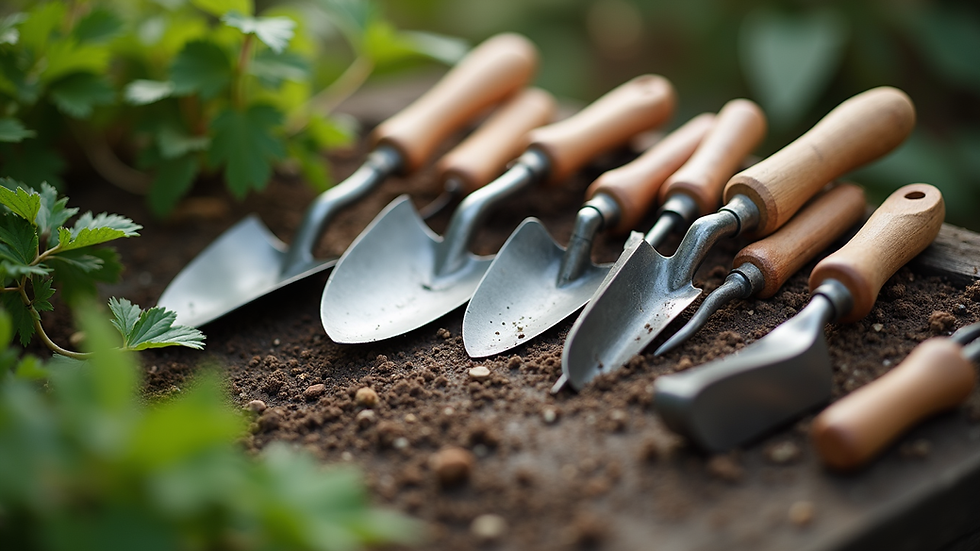
Having the right tools can make gardening easier and more enjoyable. Here are some must-have tools:
Hand Trowel: Perfect for digging small holes and transplanting seedlings.
Pruning Shears: Essential for trimming and shaping plants.
Garden Fork: Useful for turning soil and mixing in compost.
Maintenance of Tools
Keep your tools in good condition by cleaning them after each use and sharpening blades regularly. This will ensure they last longer and perform better.
Creating a Garden Plan
Layout Design
Before planting, sketch a layout of your garden. Consider the following:
Plant Height: Taller plants should be placed at the back of garden beds to avoid shading shorter plants.
Color Schemes: Plan for a mix of colors and textures to create visual interest.
Crop Rotation
Implementing crop rotation helps prevent soil depletion and reduces pest and disease buildup. Rotate your crops each year to maintain soil health.
Community and Resources
Join a Gardening Group
Connecting with fellow gardeners can provide support and inspiration. Look for local gardening clubs or online forums where you can share experiences and tips.
Utilize Online Resources
There are numerous online resources available for home gardeners. Websites, blogs, and social media groups can offer valuable information and advice tailored to your specific gardening needs.
Conclusion
Gardening is a fulfilling endeavor that can yield beautiful results and delicious produce. By understanding your garden space, choosing the right plants, and employing effective techniques, you can create a thriving home garden. Remember to stay informed and adapt your practices as needed. Happy gardening!

Comments